
Visible intent
Show what the system plans to do before consequential work begins.
Code:Emotion Design
Interfaces, governance gates, and decision points that keep a human in control of the system.
For thirty years, Code:Emotion has built identity, interface, and editorial systems where design had to do more than decorate. Today the hardest version of that problem is AI: software that recommends, drafts, and acts, often without a clear way for people to see, check, stop, or reverse it.
The same discipline now underpins Arthur's native applications and practical AI teaching: design first, implementation with AI assistance, and human accountability throughout.
Human control, made visible


What we design
Most AI products emphasize what the model can do. We design what the people around it need in order to understand, approve, correct, and remain accountable for the result.
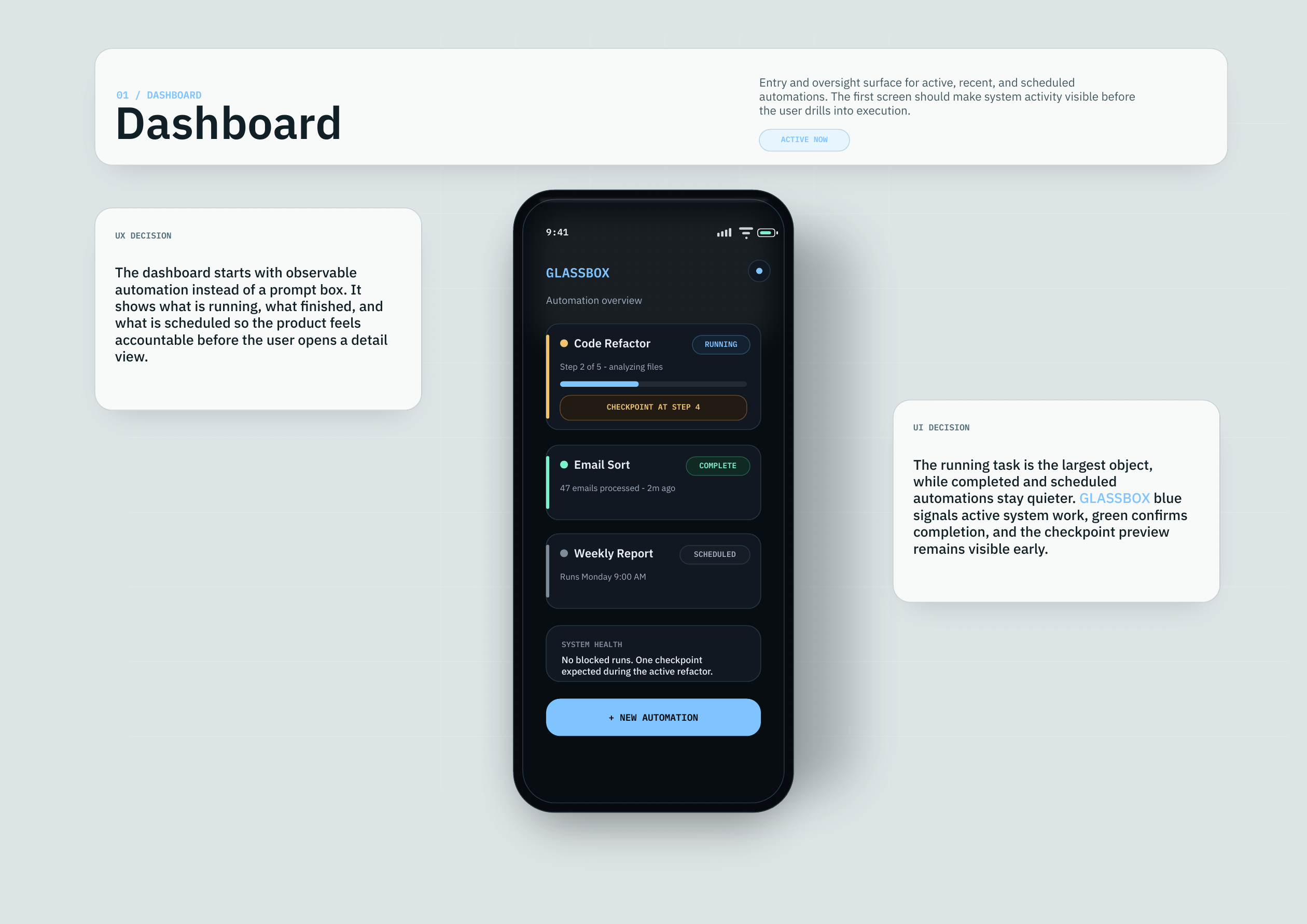
Show what the system plans to do before consequential work begins.
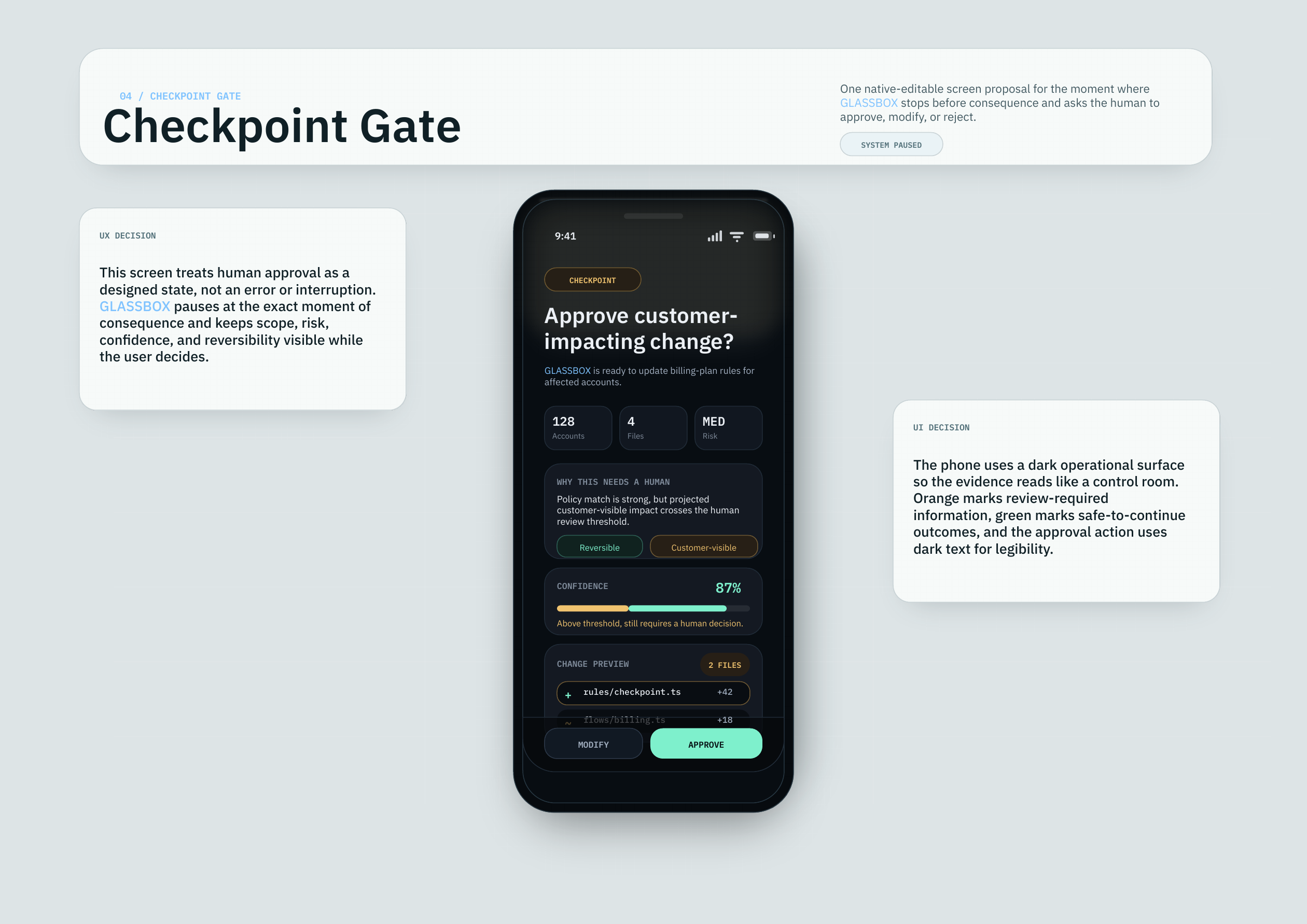
Place approval, modification, escalation, and refusal at the moments that matter.
Preserve the reasoning, actions, ownership, and reversal path behind each result.
HITM in action
These studies show the method in application. Fully working prototypes are the next stage; the current work should be read as design evidence, not as a claim of validated operational outcomes.
01
Transparent automation
An automation interface built around visible intent, live execution, consequence gates, audit, and undo instead of opaque agent magic.
02
Crisis-state interaction
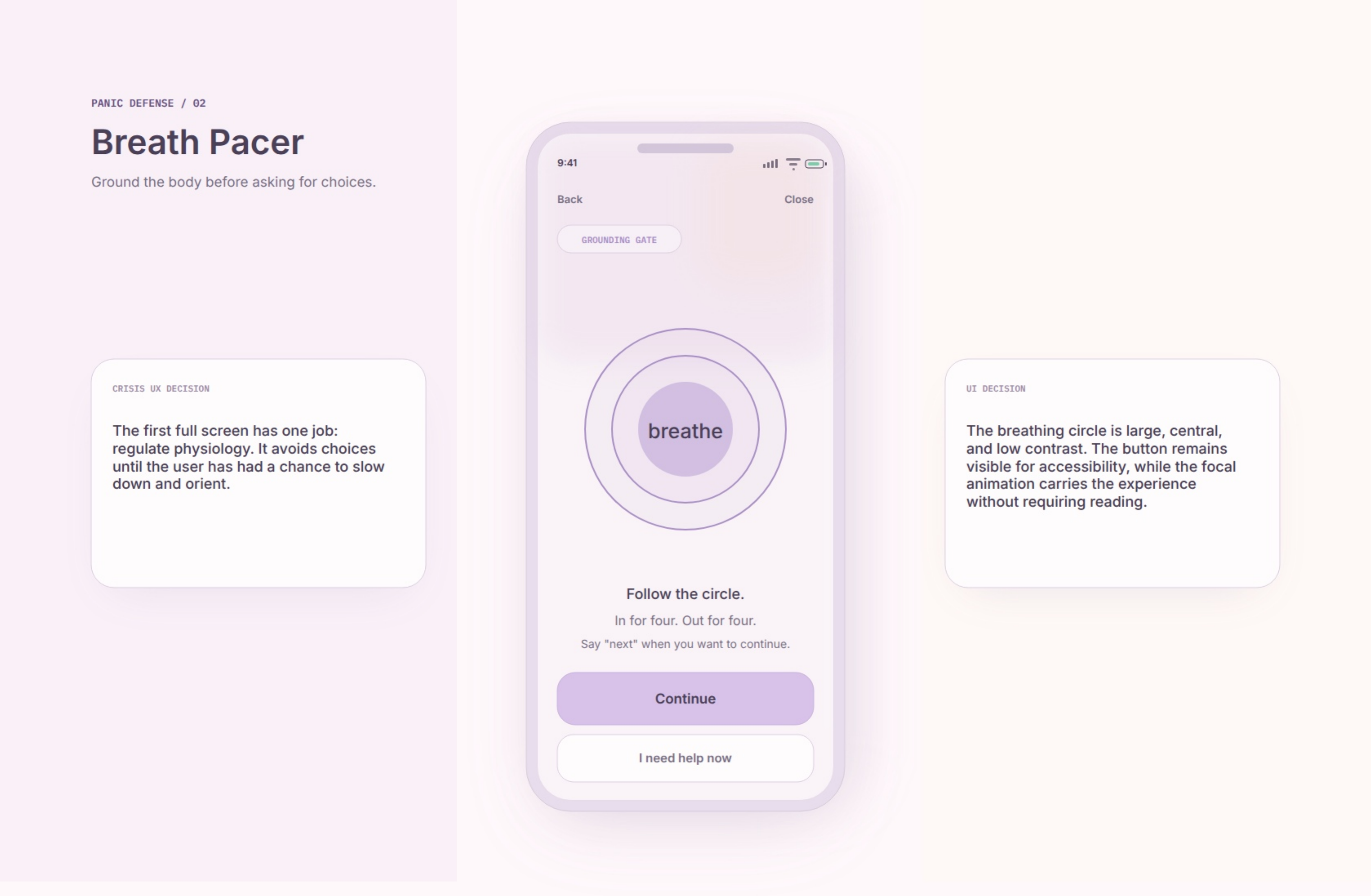
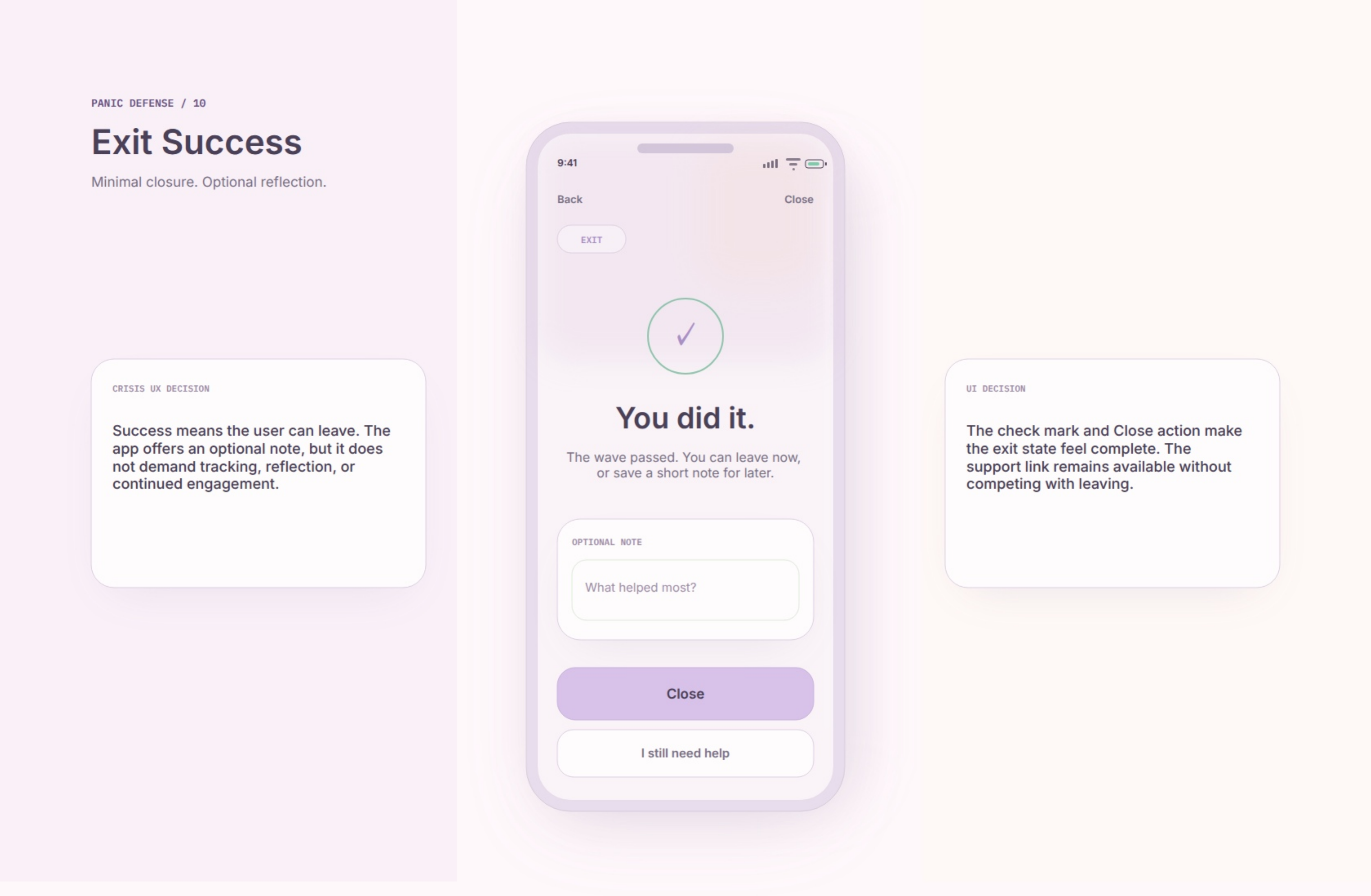
A low-cognition mobile flow designed around human choice, motor imprecision, minimal reading, and a clean exit rather than an engagement loop.
03
Human-owned completion
A case study in making completion, review, ownership, and the final human decision legible inside an AI-supported workflow.
One discipline, three expressions
Code:Emotion supplies the product thinking, interface craft, visual systems, and judgment. Augmented Arthur: Applications turns that discipline into native software built with AI assistance and tested in daily use.
Human in the Middle makes the method explicit: what remains human-owned, where review belongs, and who is responsible. Arthur's AI Lab and HITM Labs then make those lessons useful to other people.
Code:Emotion contributes
Concept, product logic, interface systems, visual judgment, and interaction models.
AAA proves
Running applications, real data, bugs, corrections, release gates, and named responsibility.
HITM teaches
Tutorials, labs, workshops, and guided decisions grounded in current practice.
Established studio
The studio still works across identity, interface, editorial systems, and unusual hybrid briefs. The commercial focus is now where that experience is most scarce: AI products that organizations need to trust, inspect, and stand behind.